An Interview with Christine Bulesic
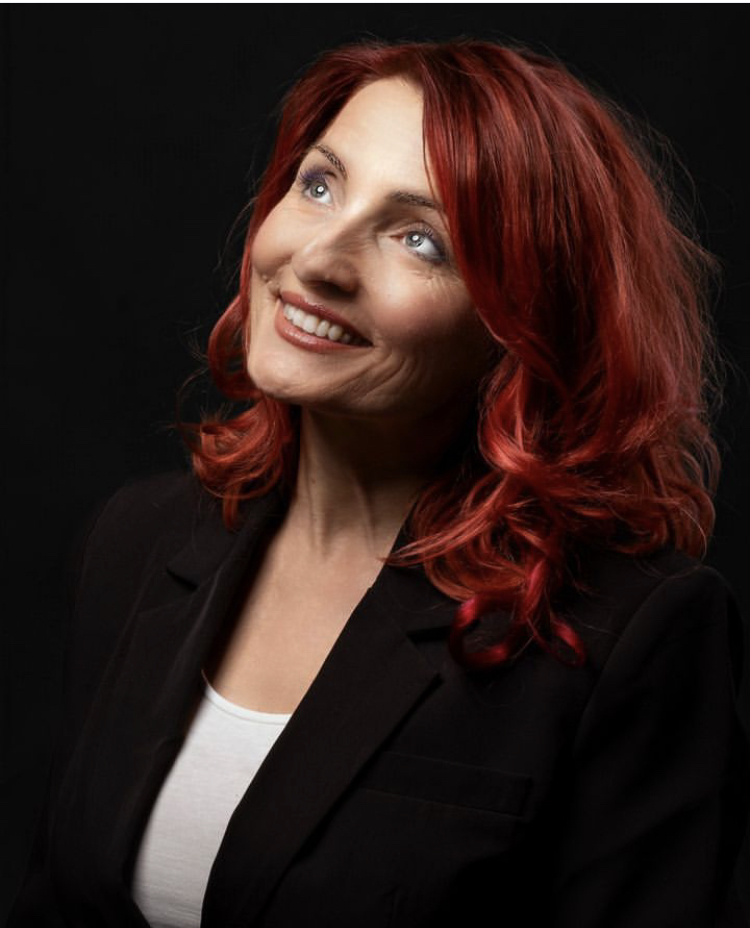
Christine Bulesic is a renowned emotional and energy therapist, spiritual healer, and life coach with a remarkable history of personal development and supporting others on their journeys. This year, she is hosting workshops at the “Celebrate Life” festival in Pula, Croatia, sharing her transformative insights and experiences. In this exclusive interview, Christine delves into her unique approach to self-discovery, the importance of living in the present moment, and the power of giving unconditionally. Her inspiring words are a testament to her commitment to helping people connect more deeply with themselves and the world around them.
THE AWAKENING TIMES (TAT):
Hello Christine, and thank you for supporting the “Celebrate Life” festival this year at your beautiful venue in Pula. You have an impressive background in personal development and extensive experience working with people. Could you please introduce yourself and share a bit about your journey?
CHRISTINE BULESIC (CB):
Thank you very much for inviting me! My heart is always full when I can support something as humane as this festival. Congratulations on organizing it successfully for the fourth year! As you mentioned, I have been involved in personal development for many years, both for my own growth and to support others. I am an emotional and energy therapist, a spiritual healer, and a life coach. But more importantly, I am someone who constantly explores and tests new methods on myself first. I believe it’s essential to personally experience what I share with others, so I can offer them the best support possible.
TAT: Can you tell us about the workshops you will present at the festival? You are with us today and tomorrow, so could you share a bit more about what you’ll be teaching?
CB: Today, I’m hosting the “Present Moment” workshop. The concept of being present is often discussed, but truly practicing it is crucial for living a high-quality life. I will share my personal experiences and show how we can incorporate mindfulness into everyday life to improve our well-being. Tomorrow, I will lead the workshop “Discover Your Mission.” This is one of my favorite topics because I believe each of us has a unique mission on this Earth. If we all lived in alignment with our purpose, society would be much more harmonious, and we would operate from the heart rather than the mind. The workshop guides participants step-by-step toward discovering their mission. Of course, it might not happen immediately, but the goal is to bring them closer to it. In that way, I can fulfill my own mission of helping others find their purpose.
TAT: With so many external distractions, negativity from the media, and constant noise around us, how challenging is it to truly live in the present moment?
CB: We won’t lie—it’s very difficult because we haven’t been taught to be present since childhood. Our thoughts constantly drift to the future or the past. I’ve been working with people for almost twenty years, and what I’ve noticed is that most people struggle to stay in the present moment. There are many worries and repressed emotions, such as guilt, sadness, and anger, which are all-natural and serve a purpose. However, no one teaches us how to handle them. I remember when I first heard about the concept of emotional coaching twenty years ago, I knew immediately that this was something I wanted to pursue. If we learn to manage our emotions, it becomes much easier to access the present moment, because everything is always happening in the now—we just need to be there for it. When we are truly present, stress reduction happens naturally because we are more connected with ourselves and more willing to give. Our main purpose is to give, because when we give, we also receive.
Although, as human beings, we are often conditioned to expect love from others—whether it’s from our mother, friend, partner, or children—we need to learn to give first. Only when we master the art of giving can we truly receive. I define the present moment as everything that was and will be, existing right now. Fifteen years ago, when I first encountered this idea, it frustrated me. I thought it was just a cliché. But there’s a whole philosophy behind it. Meeting yourself and facing your own silence are some of the most demanding tasks in life. After twenty years of working on myself, I can attest that being alone with oneself is sometimes very, very challenging.
TAT: You mentioned the importance of giving. Can you talk about what it means to give unconditionally?
CB: We often expect something in return for what we give. It’s essential to learn to accept this tendency without guilt. When we begin to realize we have expectations and then hear someone say, “Don’t have expectations,” we may feel guilty as if we’re doing something wrong. This can create a vicious cycle. The key is to stop, acknowledge where we are, and accept it. For example, I used to expect myself to do things perfectly. When I fell short, I would feel guilty, which created anxiety, leading me around in circles. Today, I help people accept where they are at this moment—even if that includes having expectations. The point is not to mistreat ourselves but to recognize the thoughts that sabotage us. Expecting to give unconditionally is, in itself, an expectation. So, let’s accept where we are and take small steps forward from there.
TAT: How do rights, responsibilities, and purpose intersect in your view?
CB: When you discover your mission, you take on a greater responsibility—to live that purpose and to help others by doing so. This responsibility extends beyond your professional role; it’s about embodying your purpose in every interaction. Every person you meet is impacted by you, whether consciously or not. In that context, talking only about rights without acknowledging responsibilities creates an imbalance. I believe we must first achieve personal balance, and then we can extend it to those around us.
TAT: You often talk about the benefits of silence and taking a digital detox. How does disconnecting from the external noise help with introspection and self-growth?
CB: Being alone with yourself is incredibly beneficial for healing, although it can be very demanding. I had a very intense experience over ten years ago when I faced a challenging situation in all aspects of my life. I felt like my world was falling apart, so I decided to go into silence for ten days. That experience inspired my book, Ten Days. I went without a phone, computer, or people and retreated to a tiny, remote village in Istria. My goal was to make some crucial life decisions in complete silence.
The first few hours were easy; I was enjoying nature and my surroundings. But soon, an overwhelming internal noise emerged—far more intense than any external distraction. On the third day, I broke down and said, “God, Life, Universe, Love (whatever someone calls it), give me a sign, or I’m calling the psychiatric ward myself.” At that moment, I had a small child and a husband who were the only ones who knew where I was. I mention this because I was a successful manager of a large company at the time, and suddenly, I found myself in total silence. Then, I received the “sign” to take a notebook and start writing. I wrote myself back to healing. After seven days, I felt transformed, and the book was completed in ten days. That experience taught me that my mission is to write and that I heal myself through writing. In turn, I can help others through my words.
I share this because I advocate for silence and recommend that everyone finds at least one day a week to spend in stillness. Beyond external and internal noise, we find all the answers we need. However, it’s crucial to have support. I was guided by mentors and teachers who could re-center me with just one sentence. Support is essential, and what you’re doing here—connecting people and raising funds for the hospital—is a tremendous support. You’re bringing together people from the same soul family, and that’s invaluable.
TAT: Many people think attending one meditation or workshop will lead to dramatic changes. You’ve been working on yourself for over twenty years. Does the journey ever truly end?
CB: On the contrary, it’s a never-ending journey. Personal growth is a lifelong process. One technique or one book can be a trigger, but it’s unrealistic to expect that inner peace and silence can be achieved in a single session. Everything we hear, read, or learn has to be integrated into our personal experience. I often say, “If you have a lot of spiritual knowledge but don’t apply it, it leads to frustration. But if you apply it, it leads to wisdom.” I’ve experienced both perspectives and while it’s okay to go through frustration, the goal is not to stay in those emotions but to ask yourself, “If I already know this, what can I do about it?” Then, you can take action and support others along the way. This is how I live and work, constantly applying what I learn to help myself and others.
TAT: Where can people find you, and what are your upcoming projects?
CB: I work a lot online, but I’m also happy to participate in live events. Although I used to organize large events and lectures, I haven’t been able to do that as much recently. I now focus on my workshops, webinars, and one-on-one sessions. People can find me on social media and my website. I’m always open to connecting with those who feel drawn to personal growth. Whoever feels the call from their heart and soul, please feel free to reach out to me.