

By Shail Rao-Rane, Yoga Therapist &Research Fellow
Asanas were first taught by Lord Shiva to his consort Devi Parvati. According to tradition there are 84 lakh (8,400,000) asanas, but not all of them are known or followed. The postures are as many in number as there are numbers of species of living creatures in this universe. The ancient Rishis had created these yogic poses or asanas by observation of animals and other creatures in nature.
These yogic poses or asanas are mentioned in various yogic texts. The Gheranda Samhita mentions about 84 yoga postures out of which 32 were considered important and are described in detail. Hatha Yoga Pradeepika too indicates about 84 asanas but describes only around 15 asanas.
It is stated that it is essential to include at least one inversion in every daily practice of yoga. In general, however, the Hatha yoga described in “Gheranda Samhita” is more seated and meditative than what is most commonly practiced as Hatha yoga today.
Over 300 Ancient Yoga Manuscripts Yet To Be Decoded
Around 300-400 manuscripts exist on different types of yoga in India’s treasure box, not one of which has been deciphered. According to the National Mission for Manuscripts (NMM), these are part of the approximately 1 crore manuscripts in the country that are yet to be published. In fact, less than 10% of ancient manuscripts in India have been published.The oldest manuscript in NMM’s database belongs to the 6th century and is written in the Gilgit script, which belongs to the Gilgit Baltistan region in the north. The maximum number of manuscripts relate to yoga, ayurveda, astronomy and astrology. Although there postures in “are only 32 Gheranda Samhita,” Gheranda explains that there are as many asanas as there are species on the planet, but there are only 84 root asanas
Introduction of Asana (Postures)
Yoga Asana is the most favourable method to connect to the nature by balancing the mind-body connection. It is a type of exercise which performed through the balanced body and need to get control over diet, breathing, and physical postures. It is associated with the meditation of body and mind through the relaxation of body.
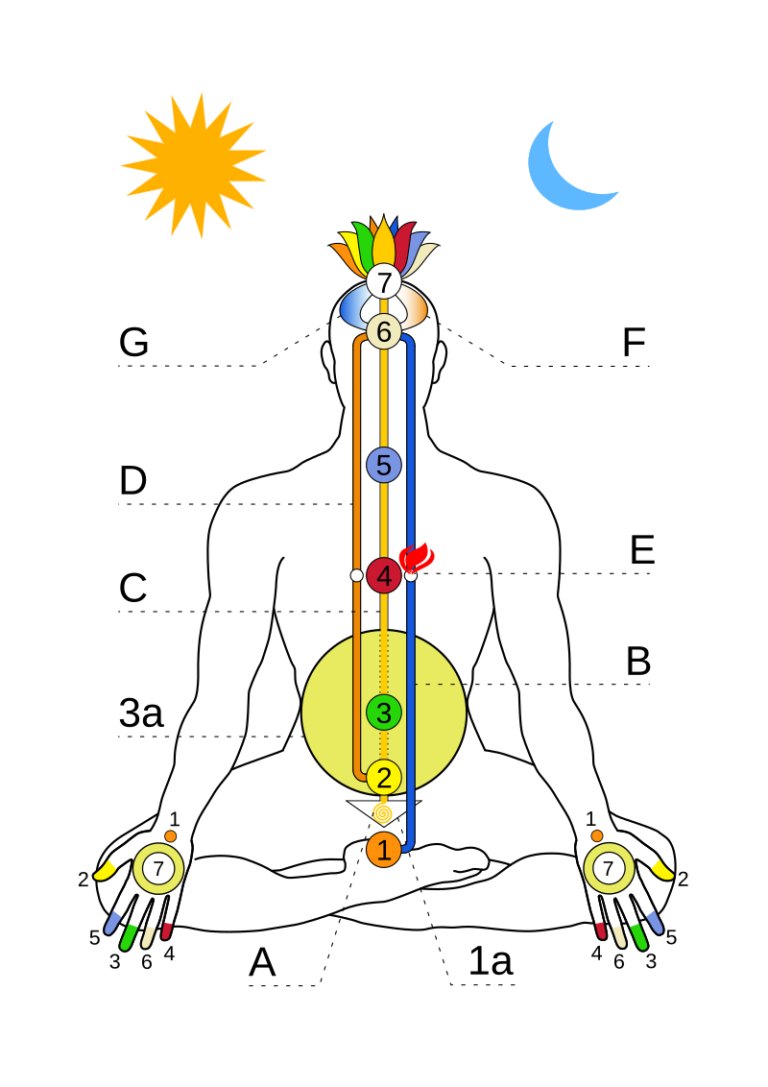
Human beings are made up of three components—body, mind and soul corresponding these there are three needs—health, knowledge and inner peace. Health is physical need, knowledge is our psychological needs and inner peace is spiritual need when all three are present then there is harmony. The ultimate goal of yoga is, however, to help the individual to transcend the self and attain enlightenment. The true essence of yoga revolves around elevating the life force or ‘Kundalini’ at the base of the spine. It aims to achieve this through a series of physical and mental exercises. At the physical level, the methods comprise various ‘yoga postures’ or ‘asanas’ that aim to keep the body healthy. The mental techniques include breathing exercises or ‘pranayama’ and meditation or ‘dhyana’ to discipline the mind.
Yoga gives us relief from countless ailments at the physical level. The practice of the postures (asanas) strengthens the body and creates a feeling of well being. From the psychological view point, yoga sharpens the intellect and aid in concentration; it steadies the emotions and encourages a caring for others.
The practice of breathing techniques (Pranayam) calms the mind. In the realm of the spiritual yoga brings awareness and the ability to be still. Through meditation inner peace is experienced. Yoga and breathing techniques help ‘unblock’ the Manipura chakra and make you feel de-stressed and relaxed. Yoga for stress management includes yoga exercises or yoga poses that target specific areas of tension such as the nape of the neck and shoulders or just relaxes you by calming your mind.
The ancient Indian system of healing considers the solar plexus chakra (or the Manipura) to be associated with stress. This chakra is located below the diaphragm, between the navel and the base of the sternum. It energizes the spleen, pancreas, and stomach and is also associated with heart, lungs and kidneys. Prolonged stress de-vitalizes and blocks this chakra causing it to malfunction and this weakened ‘energy body’ manifests itself as ulcer or palpitations which may lead to number of diseases.Thus, yoga is a practical philosophy involving every aspect of a person’s being. It teaches the evolution of the individual by the development of self-discipline and self awareness. Anyone irrespective of age, health circumstances of life and religion can practise yoga.
Importance of Yoga:
Yoga is not a religion; it is a way of living that aims towards ‘a healthy mind in a healthy body’.Man is a physical, mental and spiritual being; yoga helps promote a balanced development of all the three. Other forms of physical exercises, like aerobics, assure only physical well-being. They have little to do with the development of the spiritual or astral body.
Yogic exercises recharge the body with cosmic energy and facilitates:
- Attainment of perfect equilibrium and harmony
- Promotes self- healing.
- Removes negative blocks from the mind and toxins from the body
- Enhances personal power
- Increases self-awareness
- Helps in attention, focus and concentration, especially important for children
- Reduces stress and tension in the physical body by activating the parasympathetic nervous system
- The aspirant feels rejuvenated and energized. Thus, yoga bestows upon every aspirant the powers to control body and mind.
Physical Benefits of Yoga are
- Fitness: Yoga postures such as pranayama and suryaasan daily can keep you fit. It improves health and gives you mental strength to work properly.
- Weight loss: Many of us want to stay fit and lose weight. So yoga is the best solution to lose your weight. Asans like Kapalbhati and AnulomVilom helps to reduce weight. Breathing process helps a lot to lose weight. There is different yoga for breathing exercise. With regular practice of yoga it can help to reduce weight.
- Stress relief: If you start your day by doing yoga it probably can help you to reduce your stress. Yoga during day can be a great way to get rid of stress both in mind and body. By doing yoga you can experience effects of yoga.
- Inner peace: If we start doing you will realize that peace can be found by doing yoga. Yoga meditation can give you pleasure and peace. It is the simplest way to calm your mind.
- Better relationship: It can help you to improve your relationship with your parents, spouse, friends and loved ones. When you are relaxed you can get oriented towards your work and can happily deal with relationships. You keeps mind happy and provides you the flexibility to work with confidence.
- Increases Energy: Sometimes we feel completely drained because of multitasking. Only few minutes of yoga can provide you much needed fillip that boosts our energy and keeps us fresh. In the mid of the day if you feel hectic you can do meditation and AnulomVilom, it can bring energy in you.
- Improves flexibility: To get our body strong it is must to do yoga daily. Regular practice of yoga stretches our muscles and also makes them strong. It van also improve your body posture. It relieves your body pain as well.
- Improves immunity: An irregularity in body can affect our mind and our body system. Yoga strengthens the muscles; it helps to improve breathing habitats.Helps to reduce stress and improve immunity.
Yoga is a continuous process, deeper you practice more are its benefits.
Also yoga is not substitute of medicines. It is very important to learn yoga postures under a trained teacher. Yoga is a valuable gift of ancient India. The tradition of yoga is very old. It makes a bond between man and nature. Yoga also has pose for every part of body.
For balanced wellness it is very necessary to practice it daily. If you have any past or present injuries yoga can cure it. If you have any problem in trying any yoga posture than don’t do it, it is not necessary to do every posture. Yoga is not about physical strength, it is about wellness.
Right training of yoga will help us to promote self-healing. It increases self-power and blocks negative thoughts and toxins from our body. Yoga has an ability to make changes in our life. The regular practice of yoga helps to build. According to practitioners of yoga you can develop strength in you both mentally and physically.
Yoga helps you to relax. It is also beneficial for them who consume drugs and alcohol. Yoga frees from drugs. People who are patient of asthma and diabetes can involve yoga as their daily routine, by practicing yoga they can get rid of their disease.When the body is mentally and physically fit then stress remains under control and this can be achieved by practicing yoga regularly.
Yoga is a global phenomenon, recognized for its ability to enhance physical and emotional health. Yoga poses/asanas involve contractions of specific muscles and focusing on strengthening specific areas of the body. The best part about yoga is that anybody from any age can practice yoga. The art of practicing yoga helps in controlling an individual’s mind, body and soul. It brings together physical and mental disciplines to achieve a peaceful body and mind; it helps manage stress and anxiety and keeps you relaxing. It also helps in increasing flexibility, muscle strength and body tone.
As the Bhagavad-Gita says, “A person is said to have achieved yoga, the union with the Self, when the perfectly disciplined mind gets freedom from all desires, and becomes absorbed in the Self alone.”
Utthita Trikonasana ( उत्थित त्रिकोणासन ,Extended Triangle Pose ) is popularly known as Extended Triangle Pose.In Sanskrit, “utthita” means extended or stretched, “trikona” means three angle or triangle, and “asana” means pose. The variations of this asana are revolved triangle pose (Parivrtta Trikonasana) and bound triangle pose (Baddha Trikonasana). It gives practitioners a great opportunity in order to work with several of the ranges of different types of motion in the body.
The practice of Asanas develops your body and makes you agile and nimble. The spine becomes elastic and supple. You develop a vigorous appetite and any trouble is removed from its starting point. Thus the three important organs i.e., heart, lungs, and brain are kept in a healthy condition by the regular practice of Asana. There is no blood stagnation in any part of the body. In fact the whole body system gets lubricated by the practice of Asanas. Regular practice of Asana makes you look and feel young and men and women will acquire a figure which will enhance their beauty and suppleness.


Getting Into Extended Triangle Pose:
Step 1:
Begin in Tadasana (Mountain Pose). Stand erect with the feet together, and stretch the arms placing them by the side of the thighs. Then with a deep inhalation and a jump, take your feet apart sideways, so that there is a distance of four feet between the two legs. Palms facing downwards slowly lift your arms in line with the shoulders so that they are parallel to the ground. Try to keep certain postures throughout Utthita Trikonasana: shoulders wide, arms parallel to the floor and torso long and upright.
Step 2:
Now, turn your left foot in slightly to the right, and then move the right foot sideways to the right by 90 degrees so the inner part of your right foot faces forward and at the same time also move the left foot slightly in the same direction. Keep the knee tights; try to stretch the left leg. Remember to keep your heels in line with each other. Then, turn your right thigh outward so it faces in the direction of your right toes. Remain facing forward.
Step 3:
Inhale and reach strongly to the right, allowing your hips to shift to the left as you do so. Now, exhale and bend the trunk sideways to the right, moving the right palm downwards towards the ankle and hold it firmly as shown in the picture. The key is to lengthen your torso: extend through the crown of your head while drawing your hips and tailbone toward your back heel.
Step 4:
Lower your right hand to your right shin, ankle, or the floor on either side of the foot (it depends on the flexibility in your hips, legs, and/or shoulders). Make sure to keep your legs straight, thigh muscles engaged and front right foot pressed firmly into the ground. At this point, your arms should be perpendicular to the floor. Stretch the left arm straight up toward the sky, and try to bring it in line with the right shoulder so that your arms and shoulders are in one straight vertical line, Turn your neck upwards and concentrate on your out-stretched left thumb. It is very essential that you keep your right knee tight by pulling up the knee-cap.
Step 5.
Gaze up softly at your left hand. Maintain this asana for 30 seconds or according to individual capacity, and breathe deeply and evenly. To come back to your normal position, inhale and press your back heel strongly into the floor, and release your grip from the right ankle and slowly lift your trunk up and relax. Perform this asana on the other side with the same technique. Repeat to the left for the same length of time.
Anatomical Focus:
This posture emphasizes on the alignment of the head, spine, hip and thigh with lot of perfection. This asana gives internal massage to your abdomen Viscera. The sideward spinal movements exercises the Cartilages, and tones up the spinal nerves. It increases peristalsis of the bowels and invigorates the appetite. The body becomes light and the trunk muscles are stretched contracted and relaxed, thus keeping the spine elastic. When the chest opens out fully, it gives more room for the lungs to expand thereby increasing the intake of oxygen which is very important for card system. When the lungs get sufficient oxygen, nervous system remains in perfect condition. Cardiac muscles get relaxation. Due to opening of the chest, lungs congestion is removed and breathing becomes smooth and longer thus solving the Asthma problem. Because of the movement of the trunk there is tremendous stretching of the spinal column with the result that all types of spinal problems are removed. Stretching of the arms removes the stiffness of wrist, elbow, and shoulder joints. As a result of the complete upward movement of the neck, problems of Spondylitis and stiffness of cervical region are solved. Thyroid and Parathyroid glands situated towards the throat area are developed fully, which is very important for the healthy growth of the body. This asana also gives exercise to the eyes thereby increasing its resistance against virus infection .Regular practice of this asana removes stiffness in the legs and hip joints, strengthens the ankles, and relieves backaches, stiff-neck and spondylitis.Therapeutic Application:
This asana help in improving stamina and maintain body weight. It helps to control over body and mind. It is a best asana as per Hatha Yoga Pradipika, it can also be practiced in the early morning hours and late evening hours. It is therapeutic for symptoms of menopause, stress, infertility, anxiety, neck pain, sciatica, flat feet and osteoporosis.
Cautions and Contraindications:
If you have neck issues or are uncomfortable in our version of Extended Triangle Pose, turn your gaze down to the floor and consciously relax your neck. Then shift your gaze slowly upward if you can. Alternatively, keep your head centered and gaze forward. In case , if you suffer from low back pain then turn the back foot in just to limit force across the joint of sacroiliac, and allow the hip to rotate inwards naturally. Those who are suffering from diarrhea, eye strain, migraine do not practice this particular asana.
The Health Benefits of Utthita Trikonasana (Extended Triangle Pose):
- Strengthens your legs, feet and ankles
- Stretches your hips, groins, hamstrings, calves and spine
- Opens your chest and shoulders
- Strengthens your back, neck and abdominals
- Stimulates your abdominal organs, aiding in digestion
- Therapeutic for stress, anxiety, infertility, flat feet, neck pain, osteoporosis, sciatica and symptoms of menopause
- Relieves backache, especially during pregnancy
- It increases the ability to sense the position and movement of the body and its parts, especially of ankles and feet.





4 Responses
can you recommend a yoga pose to help old kidneys
Gabriella Brusenbauch Yoga can improve immunological function, lower systolic and diastolic blood pressure, and lower urea and creatinine levels. In addition, yoga is a healthy treatment option for kidney disease sufferers.
It’s best known to strengthen the functions of the liver and kidneys. The benefits of kapalbhati pranayama also include energizing your nerves, gaining control over your mental strength, causing hair growth, and detoxifying your skin.
https://redcliffelabs.com/myhealth/yoga/11-yoga-asanas-for-liver-and-kidney-health/
The Manipura chakra, in a vibrational sense, sucks into the aura the Energy of Functionality of the lower Emotional plane (lower Astral)
which is 95% negative, whereby concentration on the aforementioned chakra deactivates the protective nets at the openings of the Manipura chakra in the twelve layers of the aura, thus exposing the meditator to the effects of negative energies and beings of demonic origin. Therefore, we recommend caution when talking about the Manipura chakra…
Thanks for sharing your wisdom..Appreciate your valuable feedback and comment