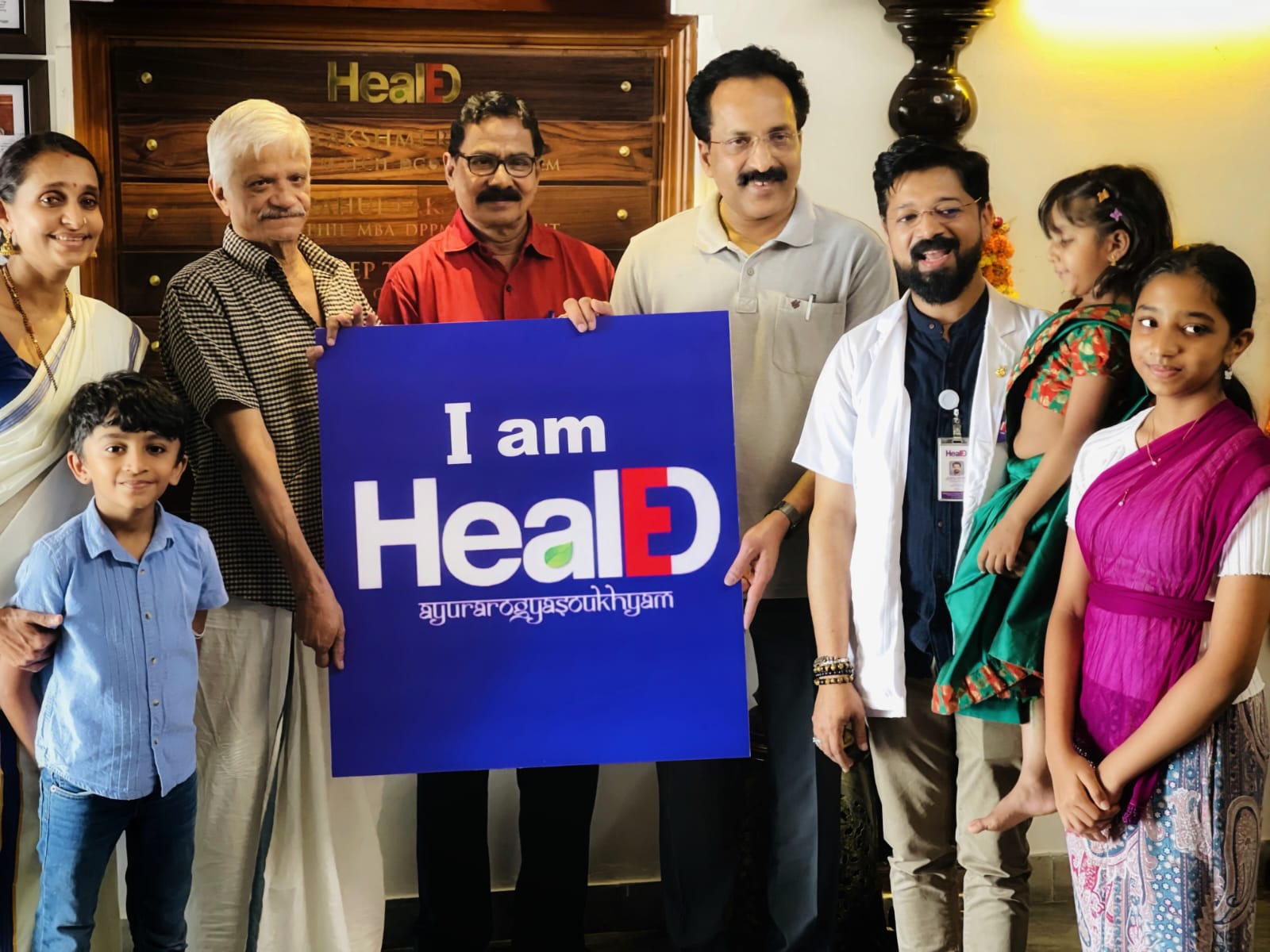
Bridging Ayurveda, Functional Medicine, and Holistic Healing
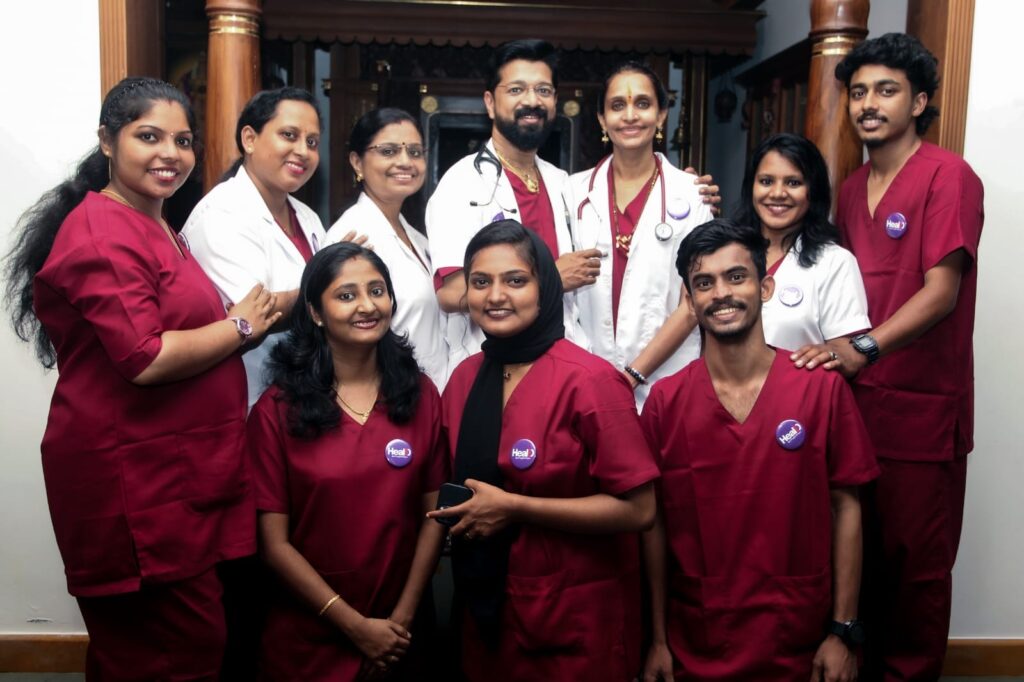
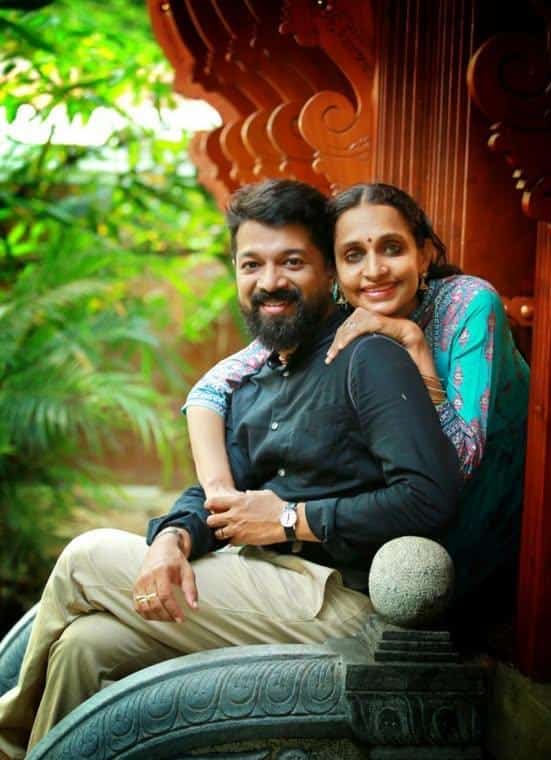
The land of Bharat has always been celebrated for its unity in diversity—an ethos now reflected in the emergence of integrative medicine. This pioneering approach seamlessly blends the wisdom of Ayurveda, Functional medicine, Naturopathy, and modern medical advancements into a unified system that addresses healing on all levels. At the forefront of this movement is HealED Curatio Unitatem Pvt Ltd, where Dr. Lakshmi Rahul, Dr. Rahul Lakshman, and their team are reshaping the future of healthcare. We had the privilege of speaking with them about this revolutionary model, its scientific depth, and its profound impact on well-being.
A key offering from HealED is Integrative Functional Gynaecology, a groundbreaking approach that brings together diverse medical disciplines to provide holistic and personalized care.
Dr. Lakshmi Rahul stands as a one-of-a-kind medical pioneer, the only doctor in the world to hold an extraordinary combination of qualifications across multiple fields of medicine. Her expertise spans MBBS, MD (Gynaecology), MTech (Nanomedical Sciences), BAMS, DGO, FINEM (Nutritional Medicine), CFMP (Functional Medicine), PGDipN (Naturopathy), ACYM (AYUSH Certified Yoga Master), and CSME (Certified Siddha & Marma Expert). This unparalleled breadth of knowledge enables her to practice what can truly be called the most modern and integrative form of medicine—one that unites the wisdom of ancient traditions with cutting-edge advancements in modern healthcare.
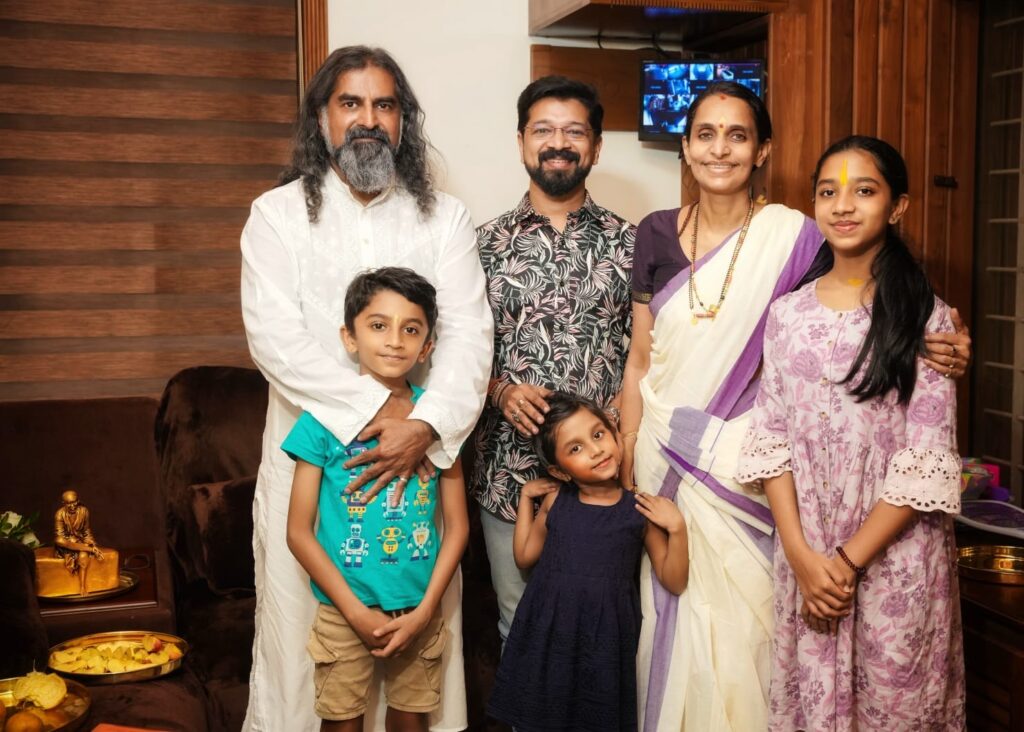
The Awakening Times (TAT): How do you integrate Modern, Functional, Ayurvedic, and Naturopathic medicine to create personalized treatment plans for your patients?
HealED: Every school of medicine ultimately aims to support longevity, health, and wellness. Scientific research across different medical traditions provides valuable insights into their efficacy, allowing for a more comprehensive understanding of health. Approaching health concerns from multiple perspectives helps practitioners arrive at more precise diagnoses and clearer treatment solutions. Each medical system has its strengths, and Integrative medicine brings these strengths together under one umbrella to improve healthcare quality and benefit humanity as a whole.
TAT: How does HealED draw guidance and inspiration from Mohanji, and who are the key leaders driving its mission?
HealED: The GRACE (Guru’s Radiance, Advice, Courage & Encouragement) and the TEAM (Together Everyone Achieves More) are the two powerful forces that guide HealED to achieve remarkable results. Our TEAM leaders include Dr. Lakshmi Rahul (Medical Director), Dr. Rahul Lakshman (Managing Director, Psycho-Oncology, Behavioral Medicine, Pain Medicine, Hypnotherapy), Mrs. Latha Ashok (Chief of Nursing), Dr. Arun Cijo (Chief Psychologist), Dr. Pradeep Totekat (Sports Medicine), Dr. Vishnu Ravi (Ayurveda), Dr. Shankar (Neuromuscular Dentist), Dr. Amrithaa M. (Naturopath), Dr. Ardra Mohan (Clinical Psychologist), Dr. Vishnupriya (Clinical Psychologist), and Mrs. Ajitha Padmam (Energy Healer).
Our GRACE comes from the blessings and benevolence of our great guru, Mohanji.
TAT: How do the body, mind, and spirit interconnect across various medical disciplines?
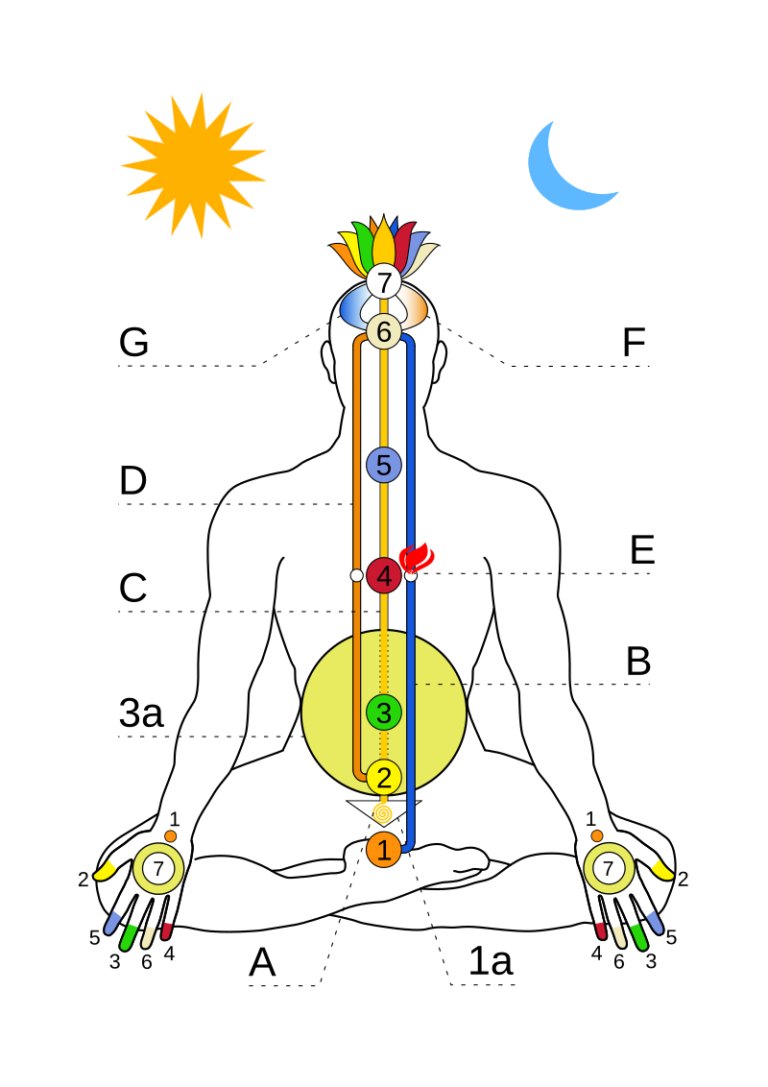
HealED: The physical body, composed of the five elements—earth (prithvi), water (jala), air (vayu), fire (agni), and space (akasha)—is inherently linked to the mind and energy systems. This connection exists both directly and indirectly. In Ayurveda, the principles of psychosomatic (Sharira-Manas) and somatopsychic (Manas-Sharira) disease etiologies emphasize the dynamic relationship between the body, mind, and spirit. True healing must address all three aspects to achieve balance and lasting well-being.
TAT: How does your approach go beyond symptom management to address the root causes of illness?
HealED: Modern conventional medical practices often follow standardized treatment protocols based on research findings. However, these protocols may not always align with an individual’s unique constitution (prakriti), metabolism, and genetic predispositions. A truly holistic approach considers the interplay of nature (inherent tendencies) and nurture (external influences). The cause-effect relationship of diseases must be thoroughly understood and addressed at the root level. Many conditions are treated by suppressing symptoms while neglecting the underlying causes, leading to recurring health issues.
TAT: You once mentioned the consequences of releasing all medicines into the ocean. Can you elaborate on the environmental impact of medical practices and how we can foster greater responsibility toward the Earth as an extension of caring for ourselves?
HealED: Mother Earth provides abundant resources for the health and longevity of all her children. Our moral obligation is to recognize, respect, and express gratitude for these natural gifts—and reciprocate with responsible stewardship. Medical practices should prioritize maximizing benefits while minimizing harm, not only to human health but also to the planet. Integrative healthcare must evolve with sustainability in mind, ensuring that medicine supports life in all its forms without contributing to environmental degradation.
TAT: Functional medicine seeks to uncover the root causes of illness. What are some key factors that conventional approaches often overlook?
HealED: Functional medicine emphasizes a deep understanding of each individual’s unique biological makeup through a process of learning, unlearning, and relearning. Comprehensive history-taking, detailed examinations, advanced metabolic and biochemical investigations, and genetic analysis—all combined with a compassionate, patient-centered approach—form the foundation of functional medicine. At HealED Curatio Unitatem Pvt Ltd, we integrate the strengths of multiple healing systems with functional medicine to create truly personalized healthcare solutions.
TAT: What laboratory innovations are crucial for advancing Functional medicine?
HealED: Functional medicine incorporates cutting-edge diagnostic tools that go beyond conventional medical testing. These advanced laboratory analyses provide deeper insights into metabolism, biochemistry, and genetic predispositions, offering a more precise understanding of health conditions.As scientific advancements continue, new diagnostic technologies are continually added to the expanding repertoire of specialized investigations, further refining our ability to detect and address underlying imbalances at their source.
TAT: How does Ayurveda classify individuals based on the three doshas, and how does this influence personalized treatment? HealED: Vata, Pitta, and Kapha are the foundational principles of Ayurveda, representing different states of matter and biological functions: Vata (air and space): Governs neuronal health, respiration, cognitive functions, and movement. Pitta (fire and water): Regulates metabolism, digestion, vision, muscular strength, and complexion. Kapha (earth and water): Provides structural stability, joint lubrication, and overall body integrity.
Every individual has a predominant dosha or a combination of doshas that form their constitution (prakriti). A balanced state of all three doshas signifies health, while an imbalance leads to disease. Ayurveda prescribes diet, lifestyle, and treatments tailored to one’s doshic constitution, integrating these principles with functional medicine and nutritional science for a truly holistic approach.
TAT: How important is food in the healing process, and how does nutrition integrate with Ayurveda and functional medicine? HealED: Food is medicine. It is the foundation of health and healing. In Ayurveda, diet is not just about nutrition but also about maintaining the balance of doshas and supporting digestion (agni). Functional medicine similarly emphasizes the role of food in modulating inflammation, metabolism, and gut health. By combining Ayurvedic dietary principles with modern nutritional science, we tailor food recommendations to an individual’s constitution, current health condition, and environmental influences. The right food choices can prevent illness, accelerate recovery, and enhance overall well-being.
TAT: What is the significance of shodhana (detoxification) and shamana (pacification) in Ayurveda, and how can different medical systems be integrated for optimal healing?
HealED: Ayurveda emphasizes two core therapeutic approaches: Shodhana– Detoxification and elimination of toxins to restore balance. Shamana– Pacification and symptomatic management to maintain health. A physician must assess the patient’s condition and determine the appropriate balance of shodhana and shamana. True healing comes from individualization. The effectiveness of treatment depends on a thorough assessment, rather than a generalized approach. Integrative medicine considers pañca mahābhūta (five elements), tridosha balance, environmental factors, and emotional well-being. Emotional burdens manifest as toxins, affecting physical and mental health. Healing the emotional body prevents disease recurrence.
TAT: You mentioned the importance of integration in medicine. How does Nanomedicine fit into this approach?
HealED: Nanomedicine must be integrated into holistic treatment approaches to maximize effectiveness. It can be used for diagnostics or targeted therapeutics, ensuring precision in addressing specific health concerns.
TAT: Can Nanomedicine enhance the effectiveness of traditional treatments?
HealED: Yes, Nanomedicine can enhance the efficacy of herbal and mineral-based formulations, depending on individual needs. However, choosing the right form—nano, micro, or other—depends on the patient’s condition and metabolic state.
TAT: You often describe the integrative practitioner as a composer. Can you explain this analogy?
HealED: Just as a composer blends different musical elements to create harmony, an integrative practitioner weaves together various healing modalities to orchestrate a personalized treatment plan. Every patient presents a unique composition of biological, emotional, and spiritual needs. The physician’s role is to create a symphony of healing that aligns all aspects of well-being into a balanced and cohesive whole.
TAT: Finally, you closed with three Sanskrit words: Ayuz, Aroghyem, and Saukyam. Could you explain their meanings?
HealED: Certainly! Ayuz means longevity, Aroghyem means health, and Saukyam means wellness. Wishing all of you longevity, health, and wellness.